> For the complete documentation index, see [llms.txt](https://jamiewen00.gitbook.io/ai-engineering-handbook/llms.txt). Markdown versions of documentation pages are available by appending `.md` to page URLs; this page is available as [Markdown](https://jamiewen00.gitbook.io/ai-engineering-handbook/readme.md).
# How to AI
👋 This handbook is based on the following resources and my own experience (still new). I encourage you to explore the original sources for deeper insights and broader context.
Primarily:
* AI Engineering by Chip Huyen
* AI Product Manager's Handbook by Irene Bratsis
Others:
* [Building effective agents](https://www.anthropic.com/engineering/building-effective-agents) by Anthropic
* [The 2025 AI Engineer Reading List](https://www.latent.space/p/2025-papers) by Latent Space
* [12-Factor Agents](https://github.com/humanlayer/12-factor-agents) — Reliable LLM app principles by Dex Horthy ([video](https://www.youtube.com/watch?v=8kMaTybvDUw))
* [Zero to One: Learning Agentic Patterns](https://www.philschmid.de/agentic-pattern) by Phil Schmid
* [From Software Engineer to AI Engineer](https://newsletter.pragmaticengineer.com/p/from-software-engineer-to-ai-engineer) by Gergely Orosz
* [AI Engineer](https://youtube.com/@aidotengineer) YouTube channel by World's Fair - tons of real world use cases
* [AI Engineering Anti-patterns](https://youtu.be/tng20xPUpWg) by Chip Huyen
Pre-reading:
* ☕ For super basic concepts, check out [AI Agents Roadmap](https://roadmap.sh/ai-agents) by Roadmap.sh
* 😄 For a non-tech intro to LLMs, check out [Intro to Large Language Models](https://youtu.be/zjkBMFhNj_g?si=d1kKCg4cmzRpDpSe) by Andrej Karpathy
* 😍 For a tech-ish deep dive, check out [Deep Dive into LLMs like ChatGPT](https://youtu.be/7xTGNNLPyMI?si=AUg2P3-1JSZeyLJa) by Andrej Karpathy
This handbook is written with the help of Cursor AI with vibe coding and NotebookLM.
> **Note**: As someone new to AI Engineering myself, this handbook represents my public learning journey - [Jamie Wen](https://justlearning.club/about/)
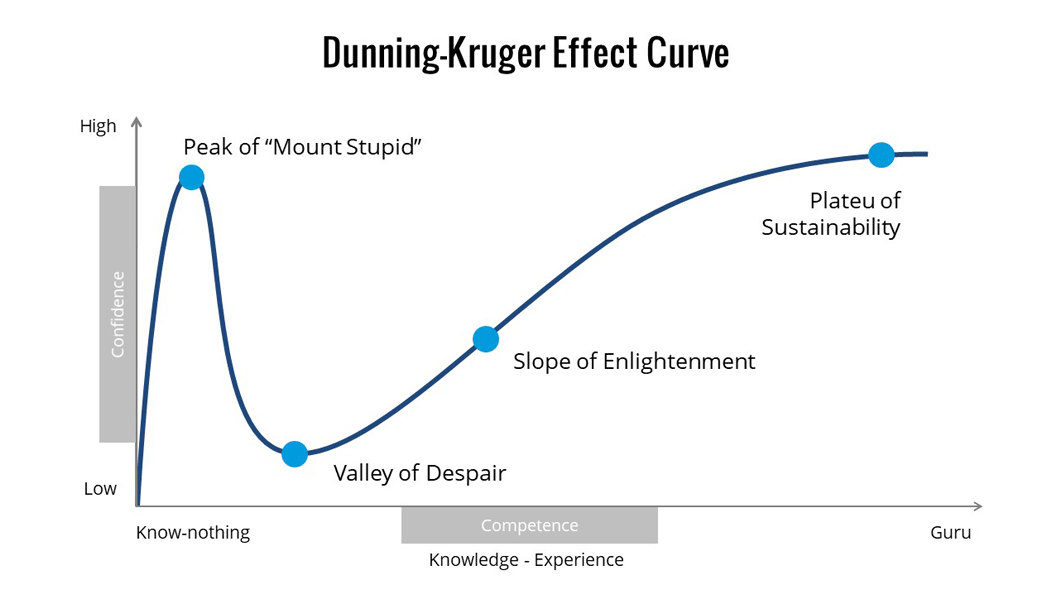
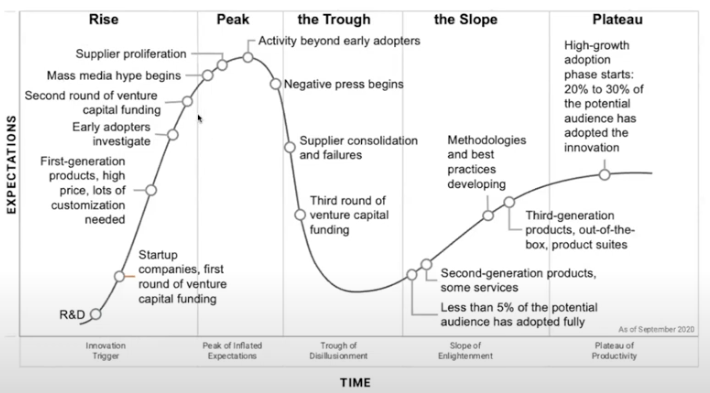
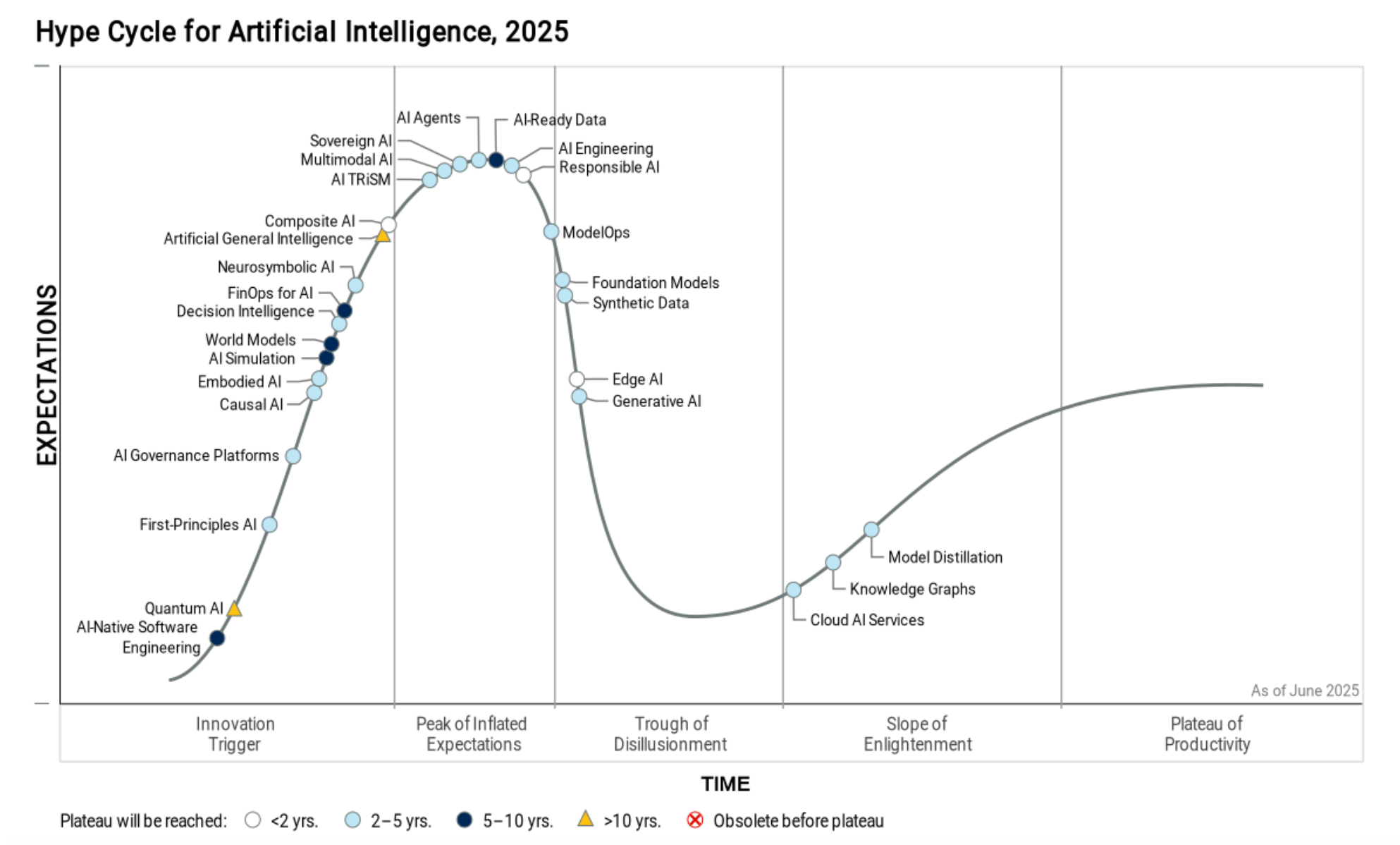
Before we start, here are two diagrams about cognitive bias and hype cycle. I think they are quite interesting for this journey.
Dunning-Kruger Effect Curve
Gartner Hype Cycle
Gartner Hype Cycle - AI 2025
🦉, let's get started.