> For the complete documentation index, see [llms.txt](https://jamiewen00.gitbook.io/ai-engineering-handbook/llms.txt). Markdown versions of documentation pages are available by appending `.md` to page URLs; this page is available as [Markdown](https://jamiewen00.gitbook.io/ai-engineering-handbook/building-ai-products/ai-product.md).
# AI Product
Partial Autonomy Applications
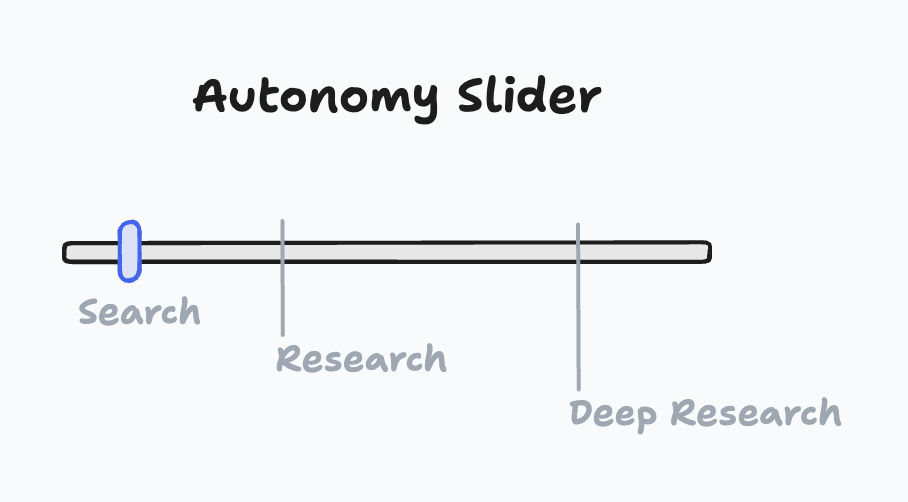
## The Autonomy Slider
Andrej Karpathy created the autonomy slider. It classifies AI products by their level of autonomy.
* **AI-Enhanced Products**: Add LLM features to an existing product. The core workflow stays the same. Examples: Miro, Jira, Slack, Google Docs.
* **AI-First Products**: Design the UX around the LLM or agent. Examples: ChatGPT, Claude, Devin.
## AI Value Ratio
Another angle to look at AI products is from the perspective of the **AI Value Ratio**: the ratio of human input to (valuable) AI output. This concept was introduced by [swyx](https://www.swyx.io/about) in the [AI Engineer World's Fair 2025 Keynote](https://www.youtube.com/live/z4zXicOAF28?si=U5N51b3TPC1geFqU\&t=1928). It is similar to the concept we use in product design, least amount of effort to achieve the most value.
* 1:0.5 - Copilot: suggesting code as you type
* 1:1 - Chatbot: returning equivalent value to your prompt
* 1:10 - Reasoning models, workflows: multiply your input through workflows
* 1:10000 - Deep Research, NotebookLM: generate comprehensive insights from simple queries
> 💭: A chatbot demands a paragraph but returns one line. Worse ratio than traditional products. Why would users use it?
## AI as the Engine
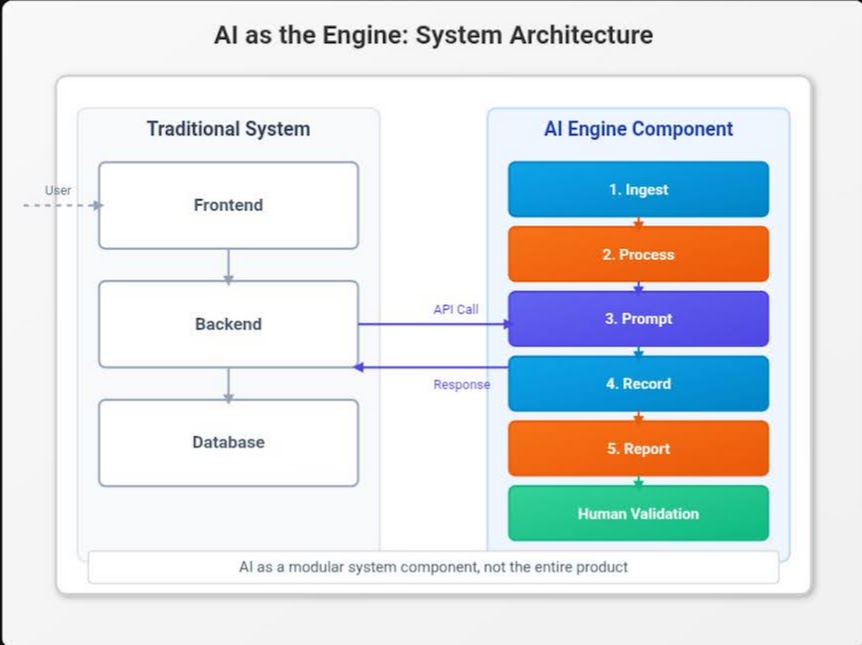
AI can act as an engine, adding LLM power to an existing product. Here, AI is a key component, not the whole product.
Simon Wardan's YOW! 2025 talk explores this idea. [View slides](https://australian.software/YOW2025/).
## AI as an Assistant
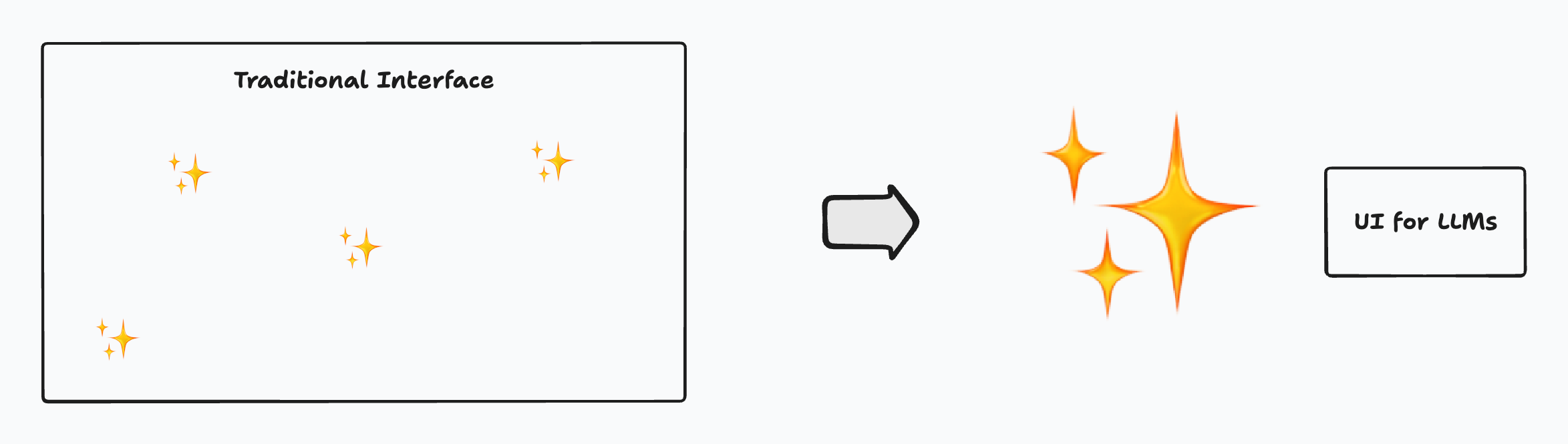
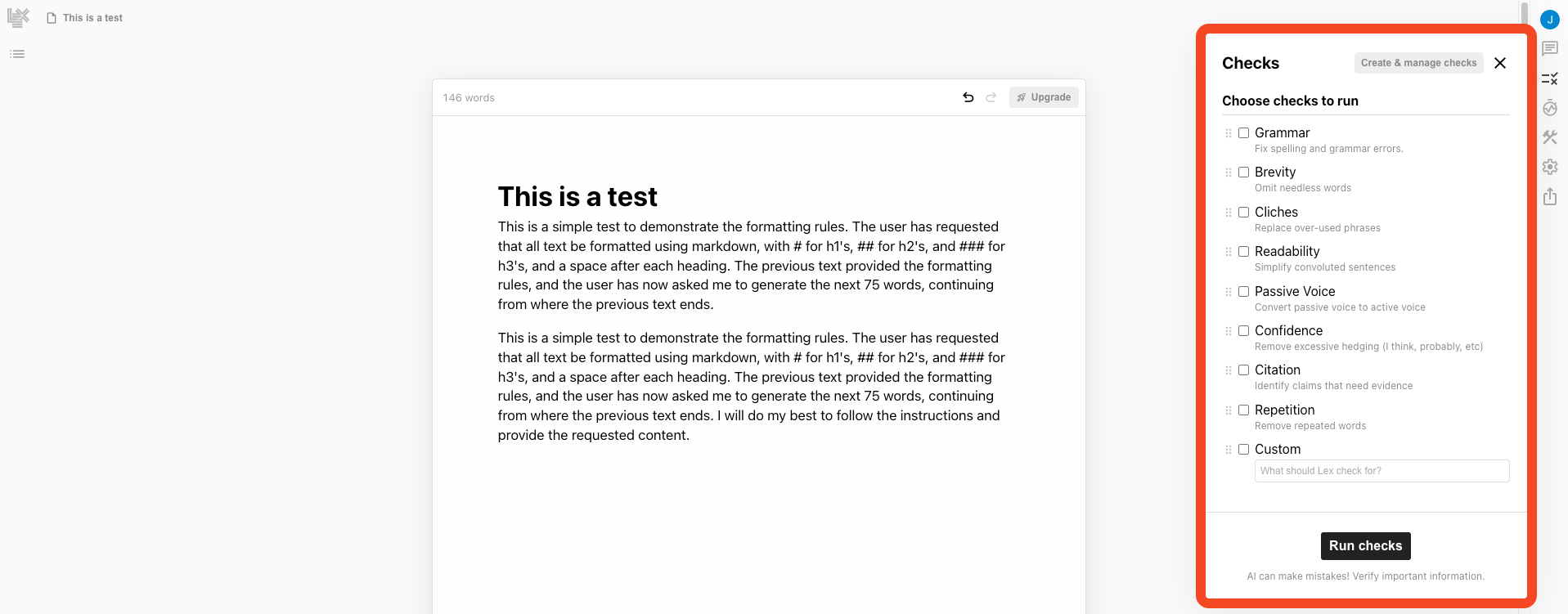
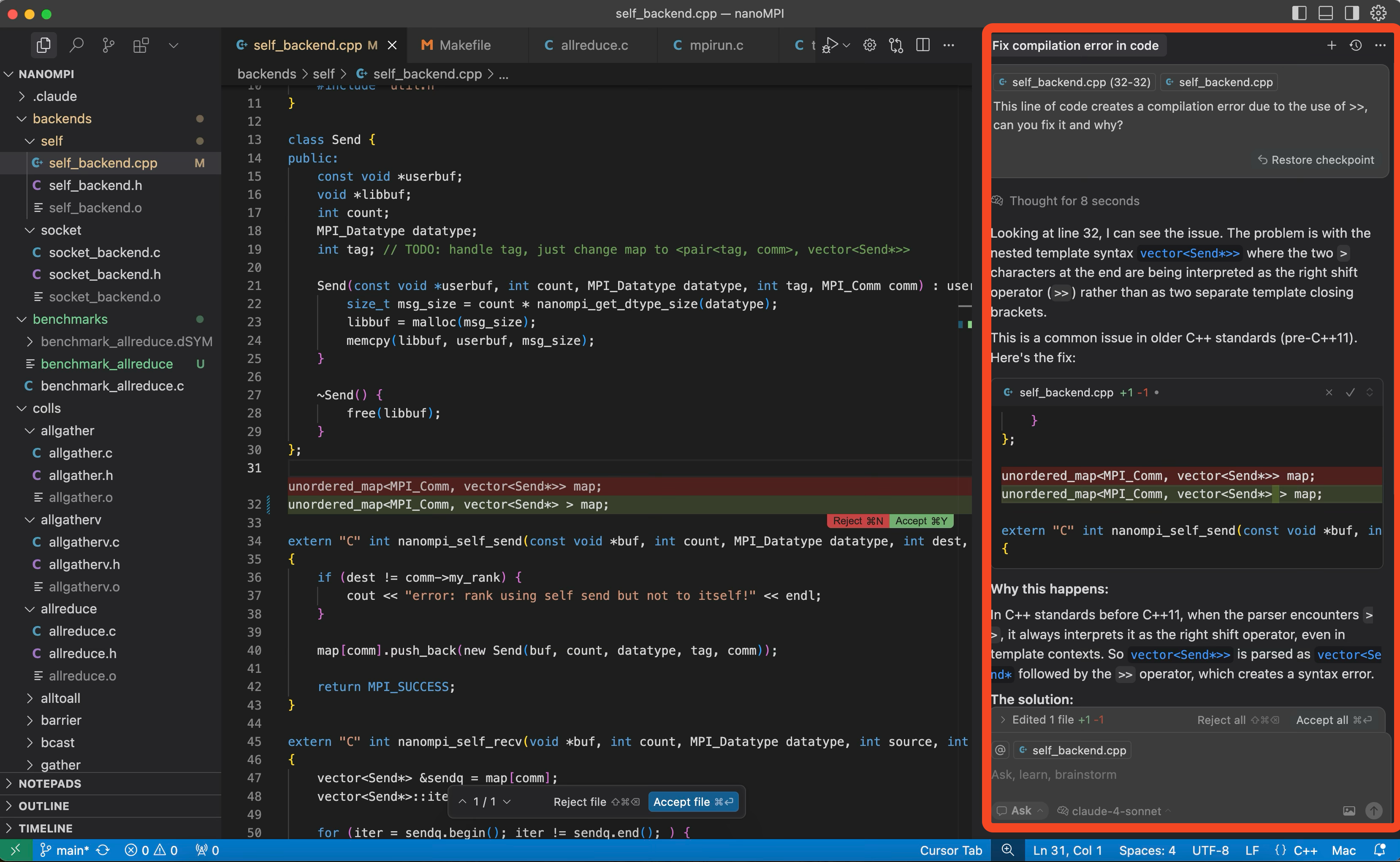
This pattern deeply integrates LLM features into a traditional UI. It creates tight interaction between the UI and the LLM.
Examples include code assistants that are tightly integrated into the development environment.
## AI as an Agent
In this model, the UI is built around the agent. See this Manus replay for an example:
{% embed url="" %}